
About us
Meet the people behind it
Two founders, one mission: make Article 50 something you can actually prove, not just promise.
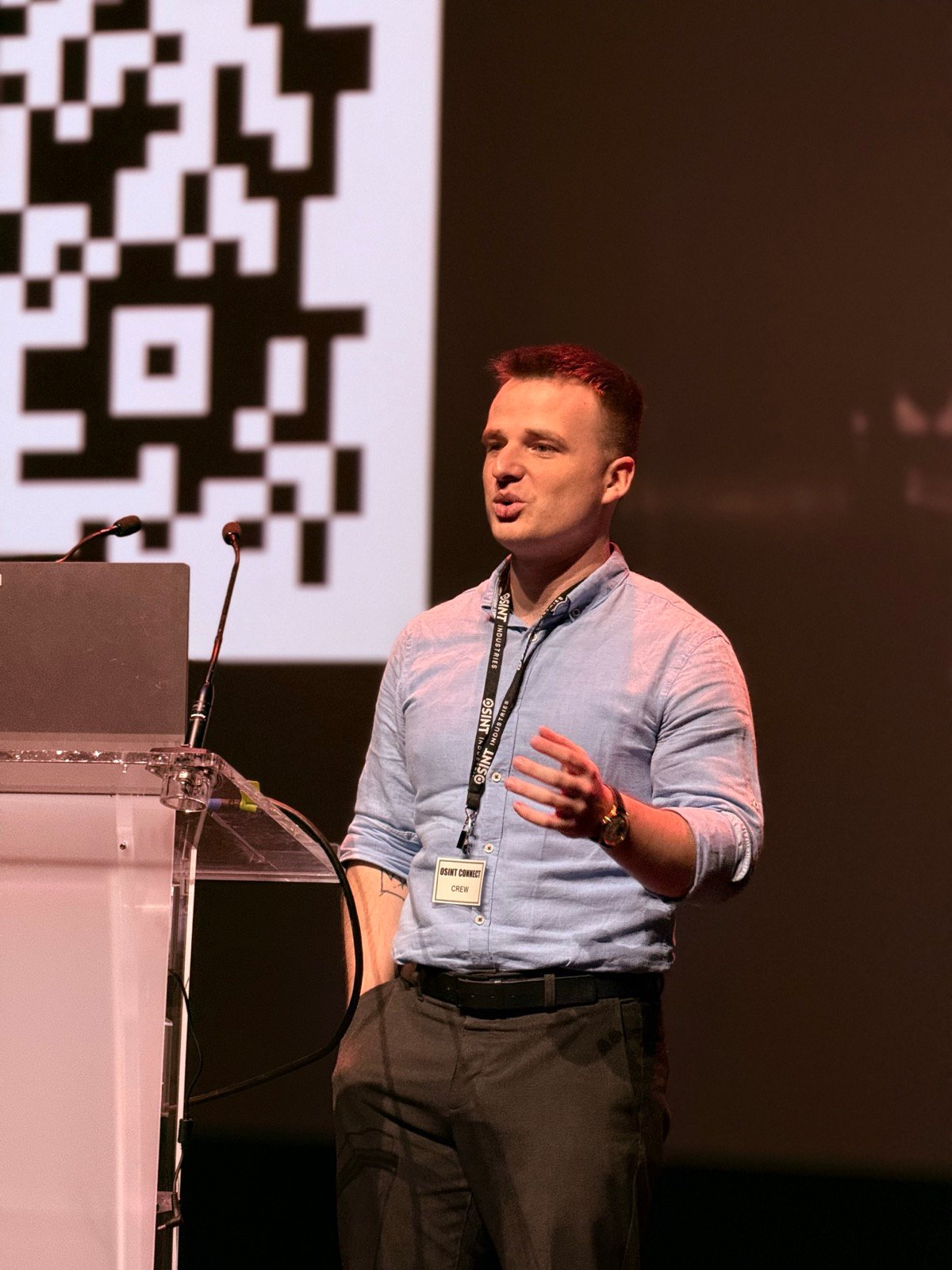
Viktor Arato
Co-founder & CEO
Viktor is a professional ethical hacker with an OSINT background, driving HOL’s core product development.
LinkedIn ↗
Marco Garzia
Co-founder & COO
Marco is a security and compliance specialist, informing HOL’s product strategy and day-to-day operations.
LinkedIn ↗Building the audit trail for the AI era
Human Oversight Labs was founded on a simple premise: as generative AI scales across workflows, probabilistic AI detectors will fail in a regulatory or legal setting.
Under emerging regulatory frameworks, most notably Article 50 of the EU AI Act, organisations, publishers and agencies need to adapt to new obligations regarding synthetic content transparency and human editorial control. As things stand, saying “a human reviewed this content” is no longer sufficient.
Our mission is to build the definitive cryptographic record-keeping layer to bridge the gap between AI generation tools and editorial compliance, transforming AI from a liability to a genuine force multiplier.
Deterministic proof over AI guesswork
Unlike AI detectors, which can frequently produce false positives, our Art50 utility tool focuses on deterministic, verifiable attestation. We don’t scan text to guess if an AI wrote it, providing instead content teams with a structured verification workflow. When an editor fact-checks, edits, and approves AI-assisted copy, our system logs verification parameters into a tamper-evident hashed audit receipt.
What you get today, and what comes next
Live today
Verifiable review records
Sealed audit trail. Every record is hash chained to the one before it and cryptographically signed, so an altered or deleted entry is detectable rather than deniable.
Published proof. Daily checkpoints are anchored to a public transparency log run by Sigstore. The evidence does not rest on trusting us, or on anyone trusting you.
Independent verification. Auditors, clients and regulators check an exported record offline, with no Art50 account and no access to your systems.
Automation ready. Server-side timestamps run alongside the review times your team enters, and the API lets you log reviews straight from your existing publishing workflow.
Coming next
Deeper into your workflow
Native integrations. Capture the review where it already happens, inside the CMS and editing tools your team uses every day.
Automated signals. Reinforce reviewer declarations with evidence gathered directly from the editing process itself.
Evidence packs. One click bundles built for procurement questionnaires, vendor risk reviews and regulator requests.
Art50 is live and in production use. What comes next is not a different product, it is the same verifiable record captured with less effort, closer to where the work already happens.
Art50 proves that a human review took place, when, and by whom. Whether that review satisfies the Article 50 exemption remains an editorial judgement you and your team make. Our job is to make sure that when somebody asks, you can show exactly what you did.

Art50 is a product of Human Oversight Labs